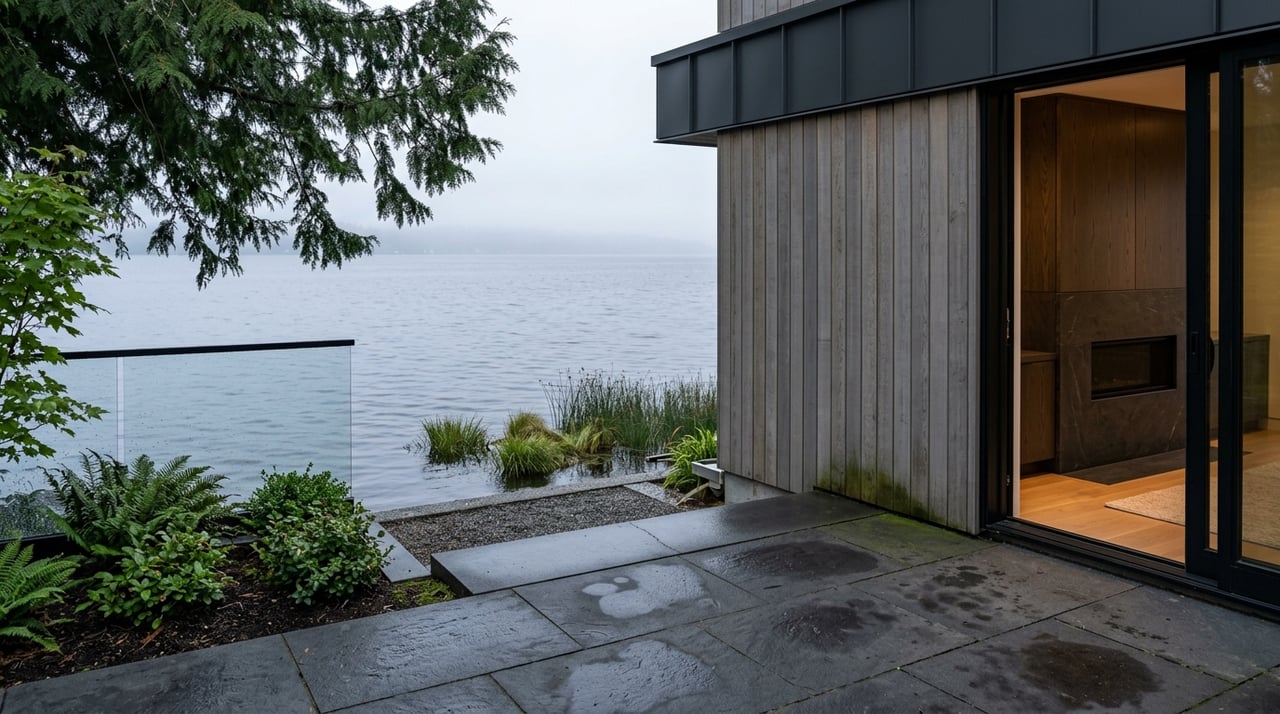
If you have ever pictured summer mornings on the water and easy access to Eastside life, Lake Sammamish probably makes the shortlist. Waterfront living here offers more than views. It also brings year-round recreation, unique property types, and a different level of ownership planning than you would expect with an inland home. In this guide, you will get a clear look at the lifestyle, housing mix, and practical ownership basics that matter before you buy or sell. Let’s dive in.
Why Lake Sammamish Stands Out
Lake Sammamish is a major part of the Eastside lifestyle. King County identifies it as a 4,897-acre lake that stretches about 8 miles, making it the sixth largest lake in Washington and the second largest in King County.
That scale matters because it supports a broad recreation scene, not just a private waterfront experience. More than a million people use the lake each year for fishing, swimming, boating, water skiing, and enjoying the scenery, according to King County.
For you as a buyer, that means waterfront living here is tied to a larger outdoor network. Lake Sammamish State Park adds swimming beaches, trails, volleyball courts, soccer fields, boating access, and rentals for kayaks, paddleboards, and pedal boats.
In practical terms, Lake Sammamish appeals to people who want direct access to the water while staying connected to the Bellevue, Redmond, and Sammamish area. You can enjoy a lake-oriented lifestyle without giving up the convenience of Eastside living.
What Waterfront Homes Look Like
One of the biggest misconceptions about Lake Sammamish is that all waterfront homes fit the same mold. They do not.
King County Assessor Area 047, which includes waterfront parcels and nearby upland properties, shows a housing stock that evolved over time. The county describes the area as having shifted from a recreational lake with many small cabins to predominantly residential use as surrounding communities developed in the 1990s.
That history still shows up in the market today. You may see older lake-era homes, remodeled properties, and larger custom residences all within the broader waterfront mix.
The county also notes a wide range of building grades, including older small structures and higher-grade custom or mansion-level homes. So if you are comparing homes on Lake Sammamish, it helps to think less in terms of one “waterfront style” and more in terms of a spectrum of property types, lot conditions, and improvement levels.
Lifestyle Benefits Beyond the View
A good waterfront property offers more than a pretty backdrop. It can change how you use your time at home.
On Lake Sammamish, that often means easier access to boating, paddle sports, swimming, and shoreline relaxation. It also means being close to a public recreation system that supports active weekends and casual evening use of the lake.
For some buyers, that combination is the real value. You are not just paying for frontage. You are buying into a daily rhythm that can include launching a boat, taking in the scenery, or spending time near the water without planning a full getaway.
That said, the lifestyle premium usually comes with an ownership premium too. Waterfront convenience and recreation value are real, but they come with more site-specific rules and maintenance needs than many inland Sammamish homes.
Shoreline Rules You Should Know
Lake Sammamish is not just another residential shoreline. Under Washington’s Shoreline Management Act, it is considered a shoreline of statewide significance because it is larger than 1,000 acres.
For you as an owner, that means shoreline work can involve multiple layers of review. The City of Sammamish states that shoreline work is regulated by local, state, and federal agencies, and owners should request project guidance before making improvements or even certain landscaping changes.
This is one of the most important differences between buying a waterfront lot and buying an inland property. Work near the shoreline often requires more planning, more documentation, and more professional input.
The city also states that Lake Sammamish has a 50-foot shoreline setback measured from the ordinary high water mark. There is also a native vegetation buffer intended to protect shoreline function.
That detail matters because the ordinary high water mark is not always obvious on site. The city notes that it can vary and may need to be determined by an environmental professional.
Docks, Lifts, and Improvements
If you are buying for direct lake use, you will want to understand what is already allowed on a property. Existing improvements may not tell the whole story.
According to the City of Sammamish, a single-family property on Lake Sammamish may have up to two personal watercraft lifts and up to two boat lifts. The city also notes that dock repair must follow shoreline exemption rules.
That means a key part of due diligence is confirming whether the current dock, lifts, bulkhead, seawall, or other shoreline improvements were permitted and whether they still align with current rules. A property can be beautiful on the surface and still have unresolved questions that affect future plans.
If a parcel is in unincorporated King County instead of within city jurisdiction, the review path changes. King County generally requires a pre-application meeting for shoreline permits, and submittals often include a critical areas report, ordinary high water mark delineation, wetland analysis if applicable, and a mitigation or restoration plan.
Questions to Ask Before You Close
When you buy waterfront, your due diligence should go beyond the house itself. The lot, shoreline, and existing improvements deserve the same level of review.
Here are some practical questions to ask early:
- Is the property within the City of Sammamish shoreline jurisdiction or unincorporated King County?
- Which agency would review future work on the site?
- Were the dock, lifts, bulkhead, seawall, or other shoreline improvements properly permitted?
- Has an ordinary high water mark survey been completed?
- Are there wetlands or other critical areas on the lot?
- If boundaries near the water are unclear, has a surveyor or environmental professional confirmed them?
These questions can save you time, money, and frustration later. They also help you understand whether the property supports your plans as-is or whether future changes may be more complex than expected.
Maintenance and Flood Reality
Waterfront ownership on Lake Sammamish is rewarding, but it is not passive. The shoreline is a managed environment, and that affects how you maintain the property.
King County says lake levels can rise during storm events and that there is no active real-time way to lower the lake level. The county also reports that the February 2020 flood was the second-highest water level since the 1965 flood project was built.
Just as important, King County says no single project can eliminate flood risk. If you are evaluating a lakefront property, flood history and winter water-level exposure should be part of your review.
You should also think about runoff, drainage, and erosion. King County states that urbanization increased runoff and phosphorus inputs from sources such as homes, gardens, construction sites, stormwater runoff, septic tanks, and erosion.
For property owners, that creates practical responsibilities. Landscaping, hardscape, drainage patterns, and shoreline plantings can all affect how the site performs and how it interacts with the lake.
Shoreline Stabilization and Upkeep
Some waterfront lots need more active management than others. If shoreline stabilization is part of the property story, the City of Sammamish describes common methods such as revetments, bulkheads, and seawalls.
That does not automatically mean a property has a problem. It does mean you should understand what is present, what condition it is in, and what future repair or replacement could involve.
Compared with inland Sammamish ownership, the trade-off is fairly simple. Waterfront usually brings stronger recreation and view value, but it also brings more regulation, more professional coordination, and more upkeep tied to water, soil, and vegetation.
How Buyers and Sellers Can Think Strategically
If you are a buyer, the right waterfront purchase is not just about the best view or the longest dock. It is about matching the property to your goals, comfort level, and long-term plans.
A buyer who wants low-intervention ownership may prefer a property with well-documented improvements and fewer shoreline unknowns. A buyer who is comfortable with planning and project coordination may see opportunity in a property that needs updates, reconfiguration, or deeper due diligence.
If you are a seller, clear documentation can make a big difference. Permit history, surveys, shoreline reports, and maintenance records can help reduce buyer uncertainty and support stronger positioning in the market.
This is where an analytical approach matters. On Lake Sammamish, value is shaped not only by frontage and views, but also by the usability of the lot, the status of improvements, and the complexity of future ownership.
Bottom Line on Lake Sammamish Waterfront
Lake Sammamish waterfront offers a rare Eastside combination of scenery, recreation, and everyday convenience. The lake lifestyle is real, and for the right buyer, it can be hard to match.
At the same time, ownership comes with more moving parts than many inland homes. Setbacks, shoreline rules, dock and lift limits, drainage concerns, and flood exposure all deserve careful review.
If you want to buy or sell on Lake Sammamish, it helps to work with someone who can look past the surface appeal and evaluate the full picture. For a data-driven, local perspective on Sammamish waterfront value and strategy, connect with Josiah Willis.
FAQs
What makes Lake Sammamish waterfront living unique in Sammamish?
- Lake Sammamish combines private waterfront potential with access to a larger recreation system that includes boating, swimming, trails, beaches, and other park amenities on the Eastside.
What types of homes are common on Lake Sammamish waterfront?
- The housing stock includes a mix of older lake-era homes, remodeled properties, and larger custom residences rather than one single waterfront style.
What shoreline rules affect Lake Sammamish waterfront properties?
- Lake Sammamish is regulated under shoreline rules that can affect setbacks, vegetation buffers, improvements, repairs, and other work near the water.
What should buyers verify before purchasing a Lake Sammamish waterfront home?
- Buyers should verify shoreline jurisdiction, permit status for docks and other improvements, ordinary high water mark information, possible wetlands or critical areas, and boundary clarity near the water.
Does Lake Sammamish waterfront ownership involve more maintenance?
- Yes. Waterfront ownership often includes added attention to drainage, erosion, shoreline vegetation, flood exposure, and the condition of structures such as docks, bulkheads, revetments, or seawalls.