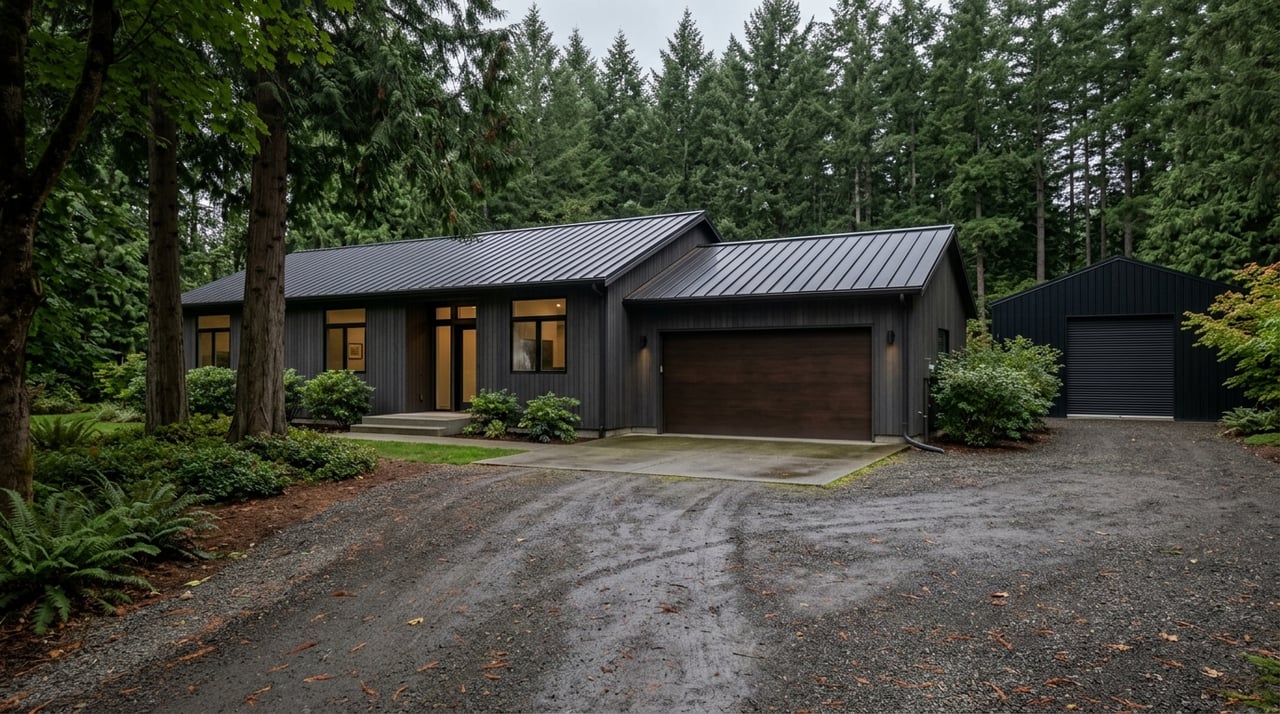
Dreaming about more land in Woodinville? Acreage can give you the privacy, breathing room, and flexibility that a typical suburban lot cannot. But more land also means more systems to understand, more upkeep to plan for, and more property details to vet before you buy. If you want the lifestyle without surprises, it helps to know what acreage living really looks like here. Let’s dive in.
What acreage means in Woodinville
Woodinville acreage does not always mean a fully rural setting. King County describes the broader Woodinville area as having a rural feel alongside urban amenities, and the local market includes a semi-rural mix of larger lots and varied neighborhoods. Much of what people think of as Woodinville acreage is also in unincorporated King County rather than inside Woodinville city limits.
That distinction matters when you start evaluating land use, utilities, and future plans for a property. A Woodinville mailing address does not automatically mean the parcel falls under the City of Woodinville. For buyers, that means jurisdiction should be one of the first things you confirm.
In areas east of Woodinville, including Bear Creek, parcel conditions can be more complex than they first appear. King County notes that streams, ravines, floodplain, floodway, and steep slopes are part of the terrain in some areas. So when you buy acreage here, you are not just buying size. You are buying a specific site with opportunities and limits.
Why buyers want acreage
The biggest draw is usually space. Larger lots often create more separation from neighboring homes, more room for outdoor living, and a setting that feels more open than a standard Eastside lot. That is a major reason buyers look to Woodinville when they want a little more breathing room without feeling cut off.
Privacy is another big benefit. On the right parcel, acreage can create a quieter day-to-day experience and more flexibility in how you use your outdoor areas. Whether you want a long driveway approach, garden space, or extra room for hobbies, more land gives you options.
Some Woodinville-area properties also include features that are hard to find in more conventional neighborhoods. In Hollywood Hill, King County notes that many properties include barns, riding arenas, and detached accessory structures, and some areas support equestrian use. That can appeal to buyers who need storage, workspace, or room for specialized outdoor uses.
Acreage can also support more ambitious landscaping. King County offers resources for native plants, food forests, and noxious weed guidance, which makes sense for owners managing larger yards or natural areas. If you enjoy gardening or want a more natural setting, that extra land can become a real lifestyle asset.
The lifestyle side of Woodinville land
One reason Woodinville acreage stands out is that it is not only about the lot itself. The broader area includes access to parks, trails, and open space, including places like the Tolt Pipeline Trail, Paradise Valley Conservation Area, Cottage Lake Park, and the Sammamish River Trail. That adds to the appeal for buyers who want both privacy at home and outdoor access nearby.
At the same time, acreage living usually feels more hands-on than living on a small lot. You may spend more time thinking about drainage, vegetation, drive access, and seasonal maintenance. For many owners, that is a worthwhile trade because the tradeoff is more usable outdoor space and a different pace of living.
The key is making sure the property matches the lifestyle you actually want. Some buyers love the idea of managing a larger landscape, while others prefer the look of acreage more than the work that comes with it. Being honest about that early can save you time and help you focus on the right properties.
Upkeep is the real tradeoff
If privacy and space are the reward, upkeep is the cost. Acreage ownership usually means more owner-managed site care than a condo, townhouse, or smaller suburban lot. That does not make it a bad fit. It just means you should go in with clear expectations.
Washington State University guidance for small acreage highlights several recurring responsibilities. These include managing drainage, controlling runoff, protecting septic and drainfield areas, watching vegetation near streams or wetlands, limiting bare soil, and protecting wellhead areas where wells are present. If animals are involved, pasture and manure management can become part of the routine too.
In western Washington, drainage deserves special attention. Saturated soils, runoff, and soil compaction can lead to mud and erosion, especially in heavy-use areas. WSU notes that landscape solutions such as swales may be used to help move water away from trouble spots.
Weed control is another ongoing job. King County says noxious weeds show up in urban, suburban, and rural areas, including gardens, forests, and farmland, and that prevention is usually more effective and less costly than eradication. On acreage, weed management is rarely a one-time cleanup.
If the parcel includes wooded edges, streamside areas, or habitat features, stewardship becomes even more important. WSU advises owners to monitor soils, weeds, wildlife, and water conditions in these areas. On some sites, culverts or bridges may also be needed to reduce compaction and erosion around streams or wetlands.
Wells and septic need real attention
Many buyers moving from more urban neighborhoods are used to public sewer and water. On Woodinville acreage, that may not be the case. Private wells and septic systems are common rural-property features, and both come with owner responsibility.
Washington State Department of Health says septic systems are common in rural areas without centralized sewer systems, and the homeowner owns and operates the system. Routine maintenance matters because regular care usually costs far less than repairing or replacing a failed system. That makes septic diligence both a practical and financial issue.
Private wells require attention too. The Washington Department of Health says the owner is responsible for testing the water, and in many counties a buyer or seller may be asked to provide sampling results. The department also recommends annual testing for coliform bacteria and nitrate.
In King County, septic properties must be inspected by a certified on-site system maintainer before transfer of title. The county also requires a buyer or transferee fee for the septic program at the time of sale. If you are budgeting for an acreage purchase, those are not side details. They are core transaction items.
Access and utilities can shape value
A beautiful parcel is only part of the story. Access and utility setup can affect how easy the property is to own, maintain, and improve over time. This is where acreage buyers benefit from a more analytical review.
Start with sewer availability. Woodinville Water District says sewer service depends on county or city land-use zoning and development requirements, and the district generally does not extend sewer service outside the urban growth boundary. In simple terms, you should not assume future sewer access just because the property has a Woodinville address.
Driveway and road access also matter. King County notes that a direct driveway connection to a maintained county road does not require a right-of-way use permit, but private roads or ongoing private use of public right-of-way can involve separate permit and maintenance issues. That can affect both day-to-day convenience and long-term ownership costs.
This is one reason usable acreage often matters more than headline acreage. A parcel may look impressive on paper, but its practical value depends on how accessible, maintainable, and functional the land really is.
How to vet a Woodinville acreage listing
Acreage purchases reward careful review. The right due diligence can help you avoid expensive surprises and focus on properties with clear long-term value.
Here are the main items to verify early:
- Confirm whether the property is in the City of Woodinville or unincorporated King County
- Verify water and sewer setup, including whether the home uses a private well or septic system
- Review septic records and maintenance history
- Request as-built septic drawings if they are not readily available
- Ask for well records and recent water-test results
- Review surveys, easements, and permits for barns or accessory structures
- Study topography and environmental constraints such as steep slopes, streams, floodplain, or wetlands
- Understand how the driveway connects to the road and who maintains access
King County specifically notes that if septic records are not available online, owners can request as-built drawings from the county septic program. That is a useful step because system location and documented history can shape how you use the land.
You also want to study the site itself, not just the listing photos. In East Woodinville and Bear Creek, King County warns that floodplain, floodway, and environmental impacts can severely restrict what can be built or changed. A larger parcel is not always more usable.
What supports resale later
If you plan ahead, acreage can be a strong long-term purchase. But resale tends to favor parcels that are not just large, but also manageable and well-documented. Buyers usually respond best when the land and systems make sense.
That means clear utility information, known septic history, tested well water where applicable, and access that does not raise extra questions. It also means understanding whether the land has practical outdoor use or significant restrictions. From a value standpoint, clean documentation and functional usability often matter as much as lot size.
In Woodinville, this is especially important because site conditions can vary so much from one parcel to the next. Two homes may both offer acreage, but one may have far more usable land and fewer ownership headaches. That is where a data-driven review can make a big difference.
The bottom line on Woodinville acreage
Living on acreage in Woodinville can be a great fit if you want privacy, flexibility, and more space to spread out. It can also offer room for outbuildings, gardens, natural landscaping, and a lifestyle that feels more open than a typical Eastside lot. But the best experiences usually come from buying with your eyes open.
Before you fall in love with the setting alone, make sure the parcel works on paper and in practice. Jurisdiction, drainage, septic, wells, access, and environmental constraints all matter here. When those pieces are visible, documented, and manageable, acreage living becomes much easier to enjoy.
If you are weighing a Woodinville acreage purchase or preparing to sell one, Josiah Willis can help you evaluate the property through both a lifestyle and financial lens, so you can move forward with clarity.
FAQs
What does acreage living in Woodinville usually look like?
- In the Woodinville area, acreage often means a semi-rural setting with larger lots, and many properties are in unincorporated King County rather than inside city limits.
What are the main benefits of buying acreage in Woodinville?
- Buyers are often drawn to more privacy, more outdoor space, room for accessory structures, and a setting that can feel more open than a typical suburban lot.
What upkeep should you expect on a Woodinville acreage property?
- Common upkeep includes drainage management, runoff control, weed prevention, landscape maintenance, and protecting natural features, septic areas, and wellhead areas where applicable.
What should buyers know about septic systems on Woodinville acreage?
- Septic systems are homeowner-managed, require routine maintenance, and in King County must be inspected by a certified on-site system maintainer before transfer of title.
What should buyers know about private wells on Woodinville acreage?
- Private well owners are responsible for water testing, and the Washington Department of Health recommends annual testing for coliform bacteria and nitrate.
Why is usable land more important than total lot size in Woodinville?
- Some parcels include steep slopes, streams, floodplain, floodway, or other environmental constraints, so the functional use of the land may be much less than the total acreage suggests.